


“A logo is not a brand. It’s a sticker.”
That’s a bold statement.
But it’s true.
A logo by itself does not make people trust your business.
It also does not help you attract the right clients.
It certainly does not help you charge higher prices.
Still, designers often hear people say, “I just need a logo.”
Let’s clear up an important point:
A logo is a symbol.
A brand is a strategy.
Mixing up these two ideas is often what holds businesses back.
What a Logo Actually Does
Here’s how a logo actually functions and where its role ends.
A logo is a visual identifier.
It helps people recognise your business.
It creates consistency.
It anchors your visual identity.
That’s really all a logo does.
A logo does not:
- Define your positioning
- Clarify your messaging
- Establish authority
- Create an emotional connection. If it did, every beautifully designed logo would automatically generate clients.
We know this isn’t how it works.
What a Brand Really Is
Imagine a potential client discovering your business for the first time.
Every interaction they have shapes their impression: what they see, hear and feel as they move through your website, social media, emails or in-person experiences.
Your brand is the full experience someone has with your business, as lived by the people you want to serve.
It’s the perception formed in someone’s mind after interacting with you.
That perception is shaped by strategy and not just aesthetics.
To start thinking more strategically about your brand, ask yourself: What impression do I want people to have after interacting with my business?
One simple step is to write down the top three words you want people to use when they describe your brand. This will help guide your decision-making and keep your strategy at the centre of everything you create.
Why a Logo Alone Doesn’t Build Trust
Trust is built through clarity and consistency. In fact, studies have shown that brands consistently presenting themselves across all platforms can increase revenue by 23%.
Even a simple shift, like aligning messaging and design, has been shown to lift conversion rates and boost customer trust.
If your logo is elegant but your messaging is vague, people hesitate.
If your visuals look premium but your website feels confusing, people leave.
If your tone of voice changes between Instagram and your website, trust weakens.
Branding is alignment.
When strategy, visuals, messaging, and experience support each other, confidence increases and so do conversions.
The Real Brand-Building Framework
If you want a brand that feels aligned and converts, you need to go deeper than visuals.
Every step in building your brand builds on the one before it and strategy always comes first because without it, every later decision is guesswork.
Here’s what actually builds a strong brand:
1. Brand Strategy
This is the foundation.
It defines:
- Your target audience
- Your positioning
- Your unique value
- Your brand personality
- Your long-term vision
Without a strategy, design becomes decoration.
With strategy, design becomes communication.
2. Positioning
Positioning answers the question: Why you?
In a saturated market, clarity wins.
When your brand clearly communicates who it’s for and what makes it different, you attract aligned clients and not just inquiries.
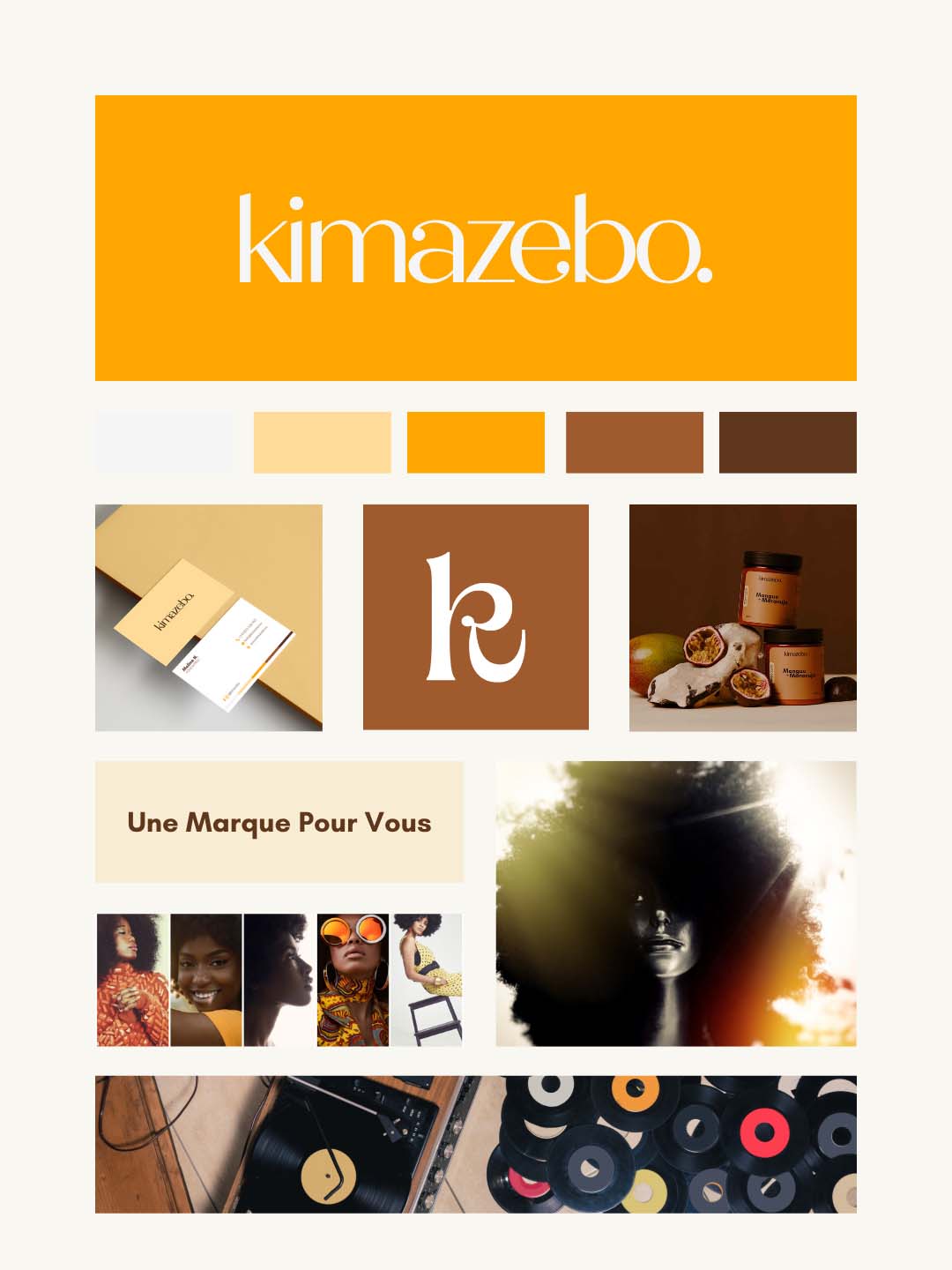
3. Visual Identity
Now we can talk about logos.
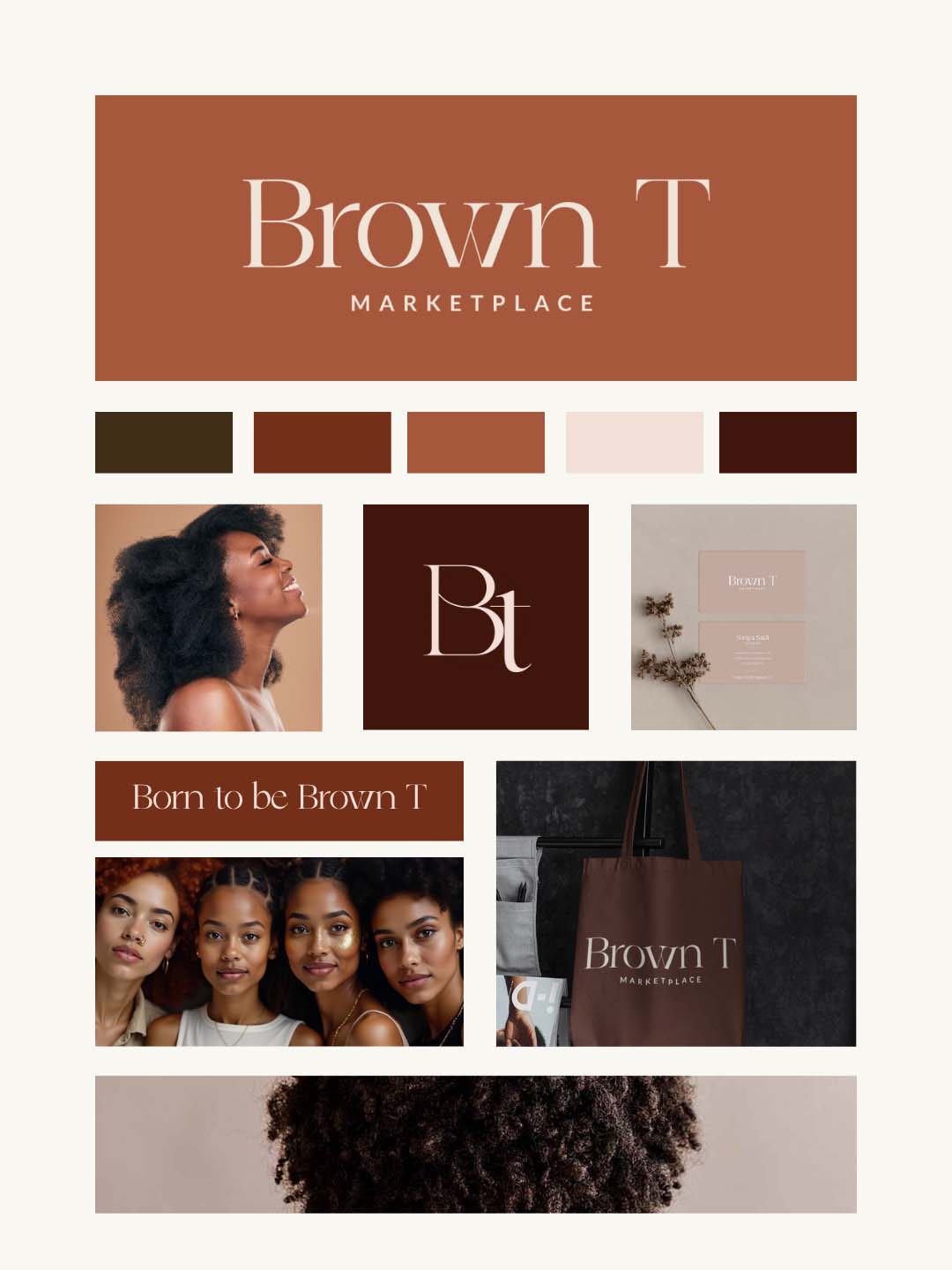
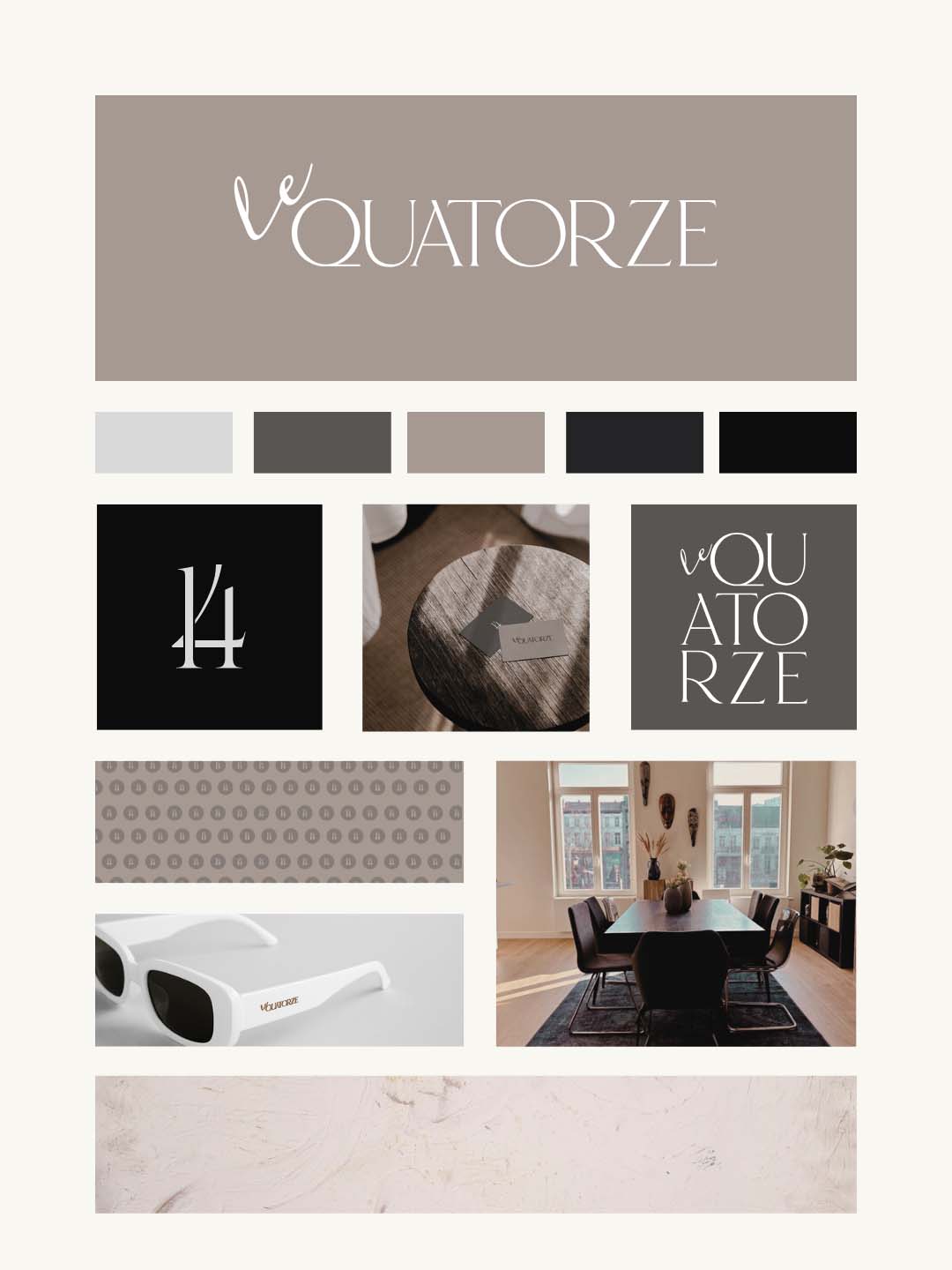
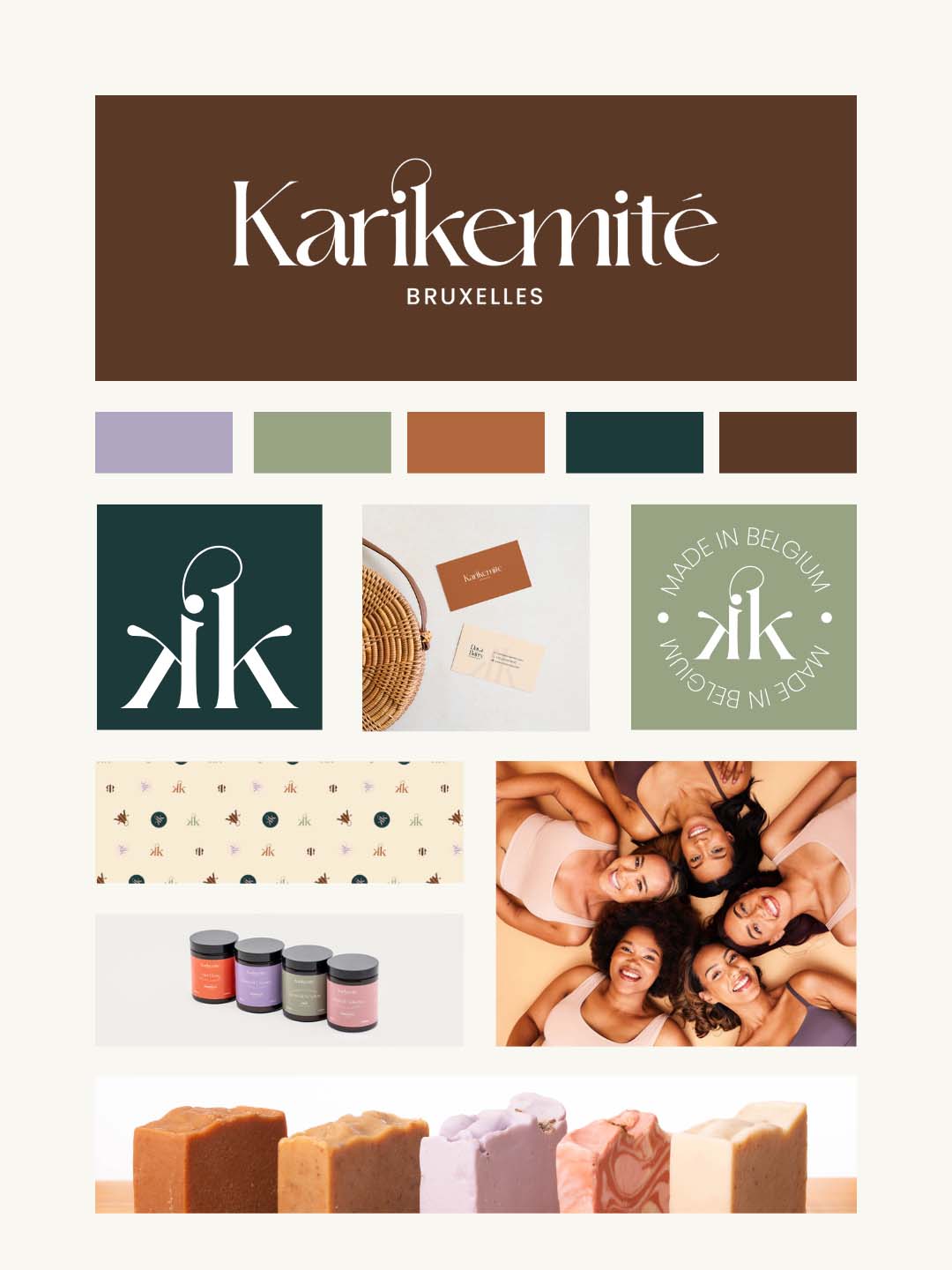
Your visual identity includes:
- Logo suite
- Typography
- Color palette
- Brand patterns
- Photography direction
These elements visually express your strategy. They are not the strategy itself.
4. Website Experience
Your website is where strategy becomes action.
It should:
Communicate your value within seconds
Guide the visitor intentionally
Build credibility
Lead toward a clear decision
A strategic website transforms your brand into a decision-making tool, not just an online portfolio.
Example: Logo vs Brand in Real Life
Imagine two beauty professionals.
Both have elegant logos.
The first:
– Has no clear niche
– Uses inconsistent messaging
– Has a vague website
The second:
– Clearly targets luxury bridal clients
– Communicates expertise confidently
– Has a cohesive website experience
Who commands higher pricing?
Who attracts aligned clients more easily?
The difference is not the logo.
It is the strategy.
Quick Self-Audit
Ask yourself:
Can someone describe my brand clearly in one sentence?
Do my visuals match my positioning?
Does my website feel intentional and aligned?
Would I trust my brand if I were my ideal client?
If the answer feels uncertain, your brand likely needs more than a logo refresh.
In conclusion
A logo is not a brand.
It’s a piece of the puzzle.
Without a strategy, even the prettiest logo stays… decoration.
If you want a brand that feels aligned, attracts the right people and supports premium pricing, we need to look deeper:
- Brand strategy
- Positioning
- Visual identity
- Website experience
That is how you build a brand that works for you and not just something that looks nice on Instagram.
If you’re ready to move beyond “just a logo” and build a strategic brand foundation, book a discovery call and let’s create something intentional.

No Comments